Both American and Russian cultures have a history of contrasting the core with the frontier. We expand the sphere of our industrial might, extractive enterprises, and war / diplomacy / colonization / settlement of the hinterlands.
Yet, those of us in the “core” “civilized” group feel the tension of our compulsion to participate in the rational mechanisms of our society. These social mechanisms value us for our skills and life only insofar as those have attributes that are important to the “value creating” class. It is a constant feeling, as long as we are of the relative underclass, to escape to the “primitive” society that our culture made war on, such that our “inherent value” can be recognized through participation in directly life-sustaining tasks.
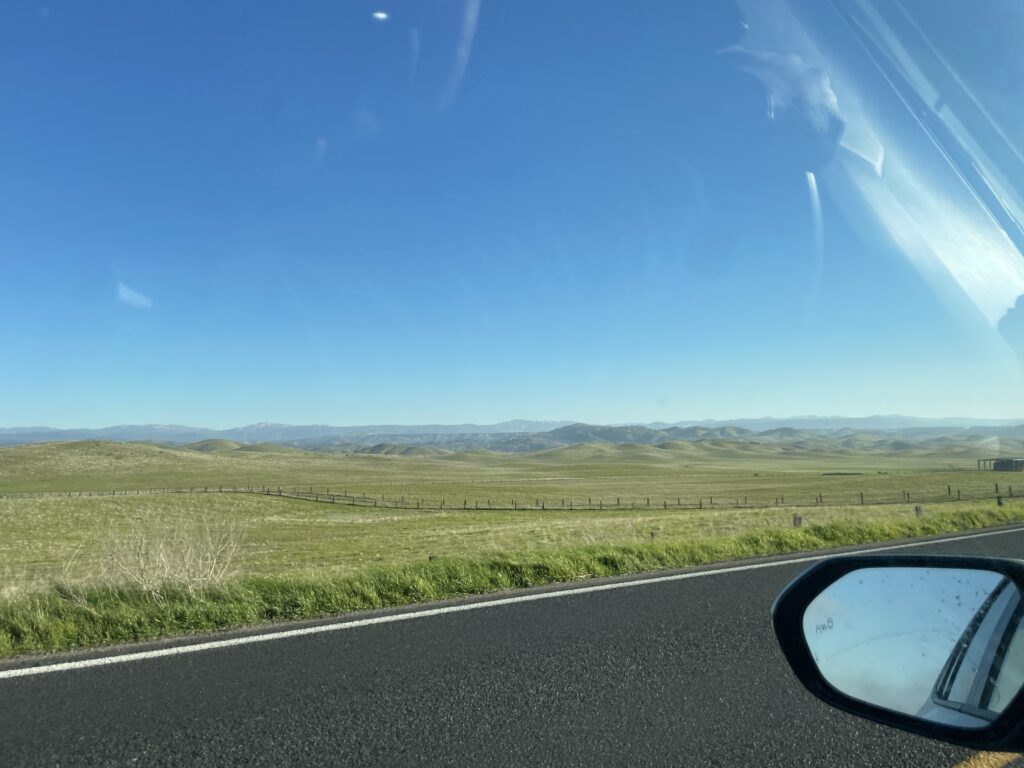
This post was written in part to share a passage which was shared by a Russian compatriot on a language app, which I found appealing and relevant to American history. Here is the English translation from Russian:
The physical space of nature is reflected in myself. The paths that I have traveled from the outside, through the mountains and swamps, also lead deep into me. The study of what is under one’s feet, reading and thoughts turn into a kind of study – both the earth and oneself. Over time, these two concepts merged in my brain. With the unifying power of a necessary element, self-generated from what was before, I saw in myself a passionate and stubborn desire to abandon forever the mind and all the problems that it brings, leaving only the closest desires, immediate and seeking. Follow the path and don’t look back. Whether on foot, on snowshoes or sleds, deep into the summer hills and later, among their frozen shadows – a bright fire, traces of runners in the snow will show where I have gone. Let the rest of humanity find me if they can.
John Haynes “Stars, Snow, Fire: Twenty-Five Years in the North”
I relate this to my own cultural upbringing of the American frontier contrasted to the often-stifling shores of first Old Europe, then colonial America, then even America’s outposts on the Western Frontier – always there is the discomfort with the ways of organized man. Sebastian Junger in his book “Tribe” describes the early American phenomenon where underclass settlers were taken into or fled to Native American societies, and were surprisingly (to contemporary European-American observers) reluctant to return to civilized society. American author James LaFond also writes at length of the austere authoritarianism of colonial America, contrasting to the freedom of the frontier, and I wonder whether Russian and Slavic culture contain similar historical narratives.
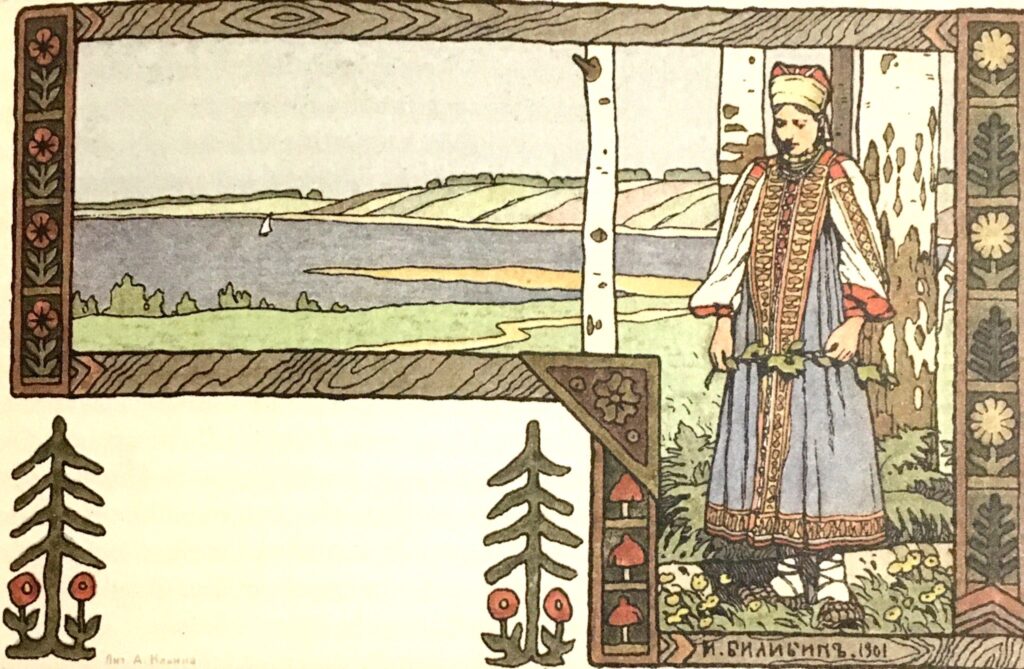
Russian language version of this post can be found here: